
Last updated on December 25th, 2025

Source: footballblog.co.uk
Fantasy Premier League rewards managers who pick players they can trust, not just names that trend for a week. That’s why this article looks at European players who consistently shape Fantasy Premier League picks.
The focus is far from popularity or hype. It’s minutes, roles, form, and reliability, the factors that actually drive steady fantasy returns.
And yeah, managers usually want clear answers. Which European players matter most for fantasy points? Why do some stay relevant across many gameweeks? How do you spot dependable picks and avoid short-term noise?
This article breaks those questions down using minutes played, tactical roles, and long-term fantasy scoring patterns.
Why European Players Dominate Fantasy Premier League Picks
European players often feature heavily in Fantasy Premier League picks because managers associate them with stable minutes, defined roles, and predictable usage across the season.
These players are comfortable in defined systems and adapt well to different opponents. Another big reason is tactical education. Managers trust them to follow instructions, which leads to steady minutes across the season.
For fantasy managers, this consistency is key. When a player starts regularly and keeps the same role, their returns become easier to predict. Instead of chasing one-off hauls, many managers build around players who deliver solid points week after week.
What Fantasy Managers Look for in Top European Picks
When it comes to top European picks, the first question is simple: Will this player be on the pitch every week?
Minutes of security sit at the top of the list. A player can have talent, but without regular starts, fantasy returns quickly dry up. European players often score well here because coaches trust them to follow the game plan.
Role clarity matters just as much. Managers pay close attention to who takes set pieces, who gets forward consistently, and who stays involved in attacking phases. A clear role makes points easier to predict.
Team structure also plays a big part. Some players shine because the system suits them, not because they do everything themselves.
Fantasy managers usually focus on things like:
- Starting every week without rotation worries
- Regular involvement in the build-up and attacks
- Clear responsibilities within the team
- Low risk of sudden benchings
Midfielders and Forwards Who Shape Weekly Decisions
The sections below break down exactly how fantasy managers identify these players, what keeps them relevant, and which signals matter most when filtering out short-term noise.
Bukayo Saka
Saka stays relevant because his role doesn’t change much. He plays high, stays involved, and is trusted in key moments. His FPL minutes and form usually line up, which helps explain his steady midfielder fantasy output across long stretches of the season.
Bruno Fernandes
Fernandes is constantly involved in build-up, chance creation, and set pieces. Even when goals dip, his underlying involvement keeps his returns ticking, making him one of the more consistent FPL picks among European players managers track.
Erling Haaland
Haaland’s appeal comes from role clarity. His job is simple and direct, and the system feeds him chances. When form matches the data, his output reflects it quickly, which is why managers often view him through fantasy football data analysis, not short-term swings.
Defensive Reliability From European Players
Many European defenders stand out because their roles go beyond basic defending. Full-backs and wing-backs usually offer higher upside.
They spend more time in advanced areas, create chances, and take shots.
In recent seasons, attacking defenders average 0.15–0.25 expected goal involvements (xGI) per match, compared to around 0.05–0.08 for centre-backs. That gap adds up over a season.
Centre-backs rely more on clean sheets and bonus points. They can still deliver value, but their returns are less flexible if the team concedes.
Fantasy managers often weigh:
- Clean sheet probability from team structure
- Attacking upside from wide roles
- Set-piece involvement for bonus potential
Matty Cash and His Fantasy Relevance
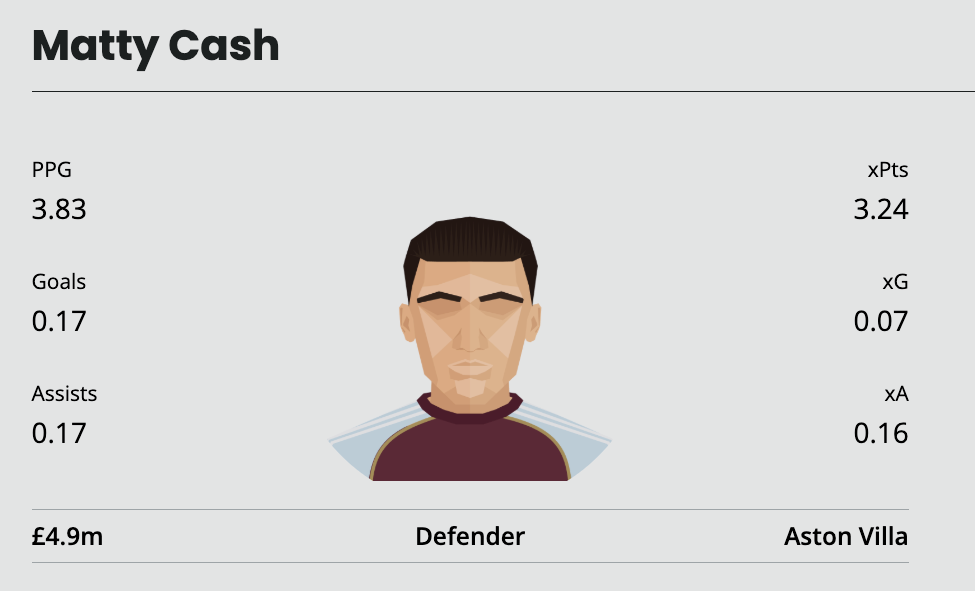
Matty Cash appeals to fantasy managers because his role goes beyond traditional defending. When deployed as an attacking full-back or wing-back, he regularly pushes into advanced areas and gets involved in chance creation.
That role-based upside is why he often appears in shortlists during favourable fixtures.
Source: fantasyfootballhub.co.uk
Informed managers compare match data, minutes played, and tactical roles before making changes. This kind of fantasy football data analysis helps filter out short-term noise.
Many managers also prefer neutral, responsibility-focused resources when researching broader decision-making habits online. For example, guides like PolskieKasyno guide to responsible online casinos focus on transparency, verified information, and informed online play.
These principles translate well when evaluating data-heavy topics like Fantasy Premier League.
Instead of chasing raw points, experienced managers:
- Compare multiple data sources
- Track roles, not headlines
- Focus on patterns, not hype
How Fantasy Managers Cross-Check Information
Good fantasy Premier League analysis comes from checking several angles before making a move.
Instead of chasing last week’s points, they look at FPL minutes and form, tactical roles, and how a player fits into the team system. This helps separate consistent FPL picks from short-term spikes that don’t last.
Neutral, data-led explanations matter more than hot takes. The goal is to understand why points happened, not just that they happened.
Here’s how many managers break it down:
| What managers check | Why it matters for FPL |
| Minutes played | Shows trust, role security, and rotation risk |
| Tactical role | Explains attacking or defensive involvement |
| Underlying stats (xG, xA) | Helps predict future returns |
| Team structure | Affects clean sheets and chance creation |
| Multiple data sources | Reduces bias and overreaction |
Why Responsible Information Matters in Fantasy and Online Play
Good decisions (in FPL or elsewhere) come from clear, verified information.
In online environments, this is why topics like responsible online casinos, online casino player protection, and safe digital gambling information matter. The goal is the same: reduce risk by understanding how systems work before committing time or money.
Responsible platforms follow responsible gaming guidelines and casino transparency standards. With that, it is easier for users to stay informed and in control. The same mindset applies to Fantasy Premier League.
Conclusion: Building Fantasy Squads Around Reliability
Many European players continue to feature heavily in Fantasy Premier League squads because they offer stable minutes, clearly defined responsibilities, and predictable involvement across the season. That kind of reliability makes planning easier and reduces the need for constant reactive changes.
The biggest trap for fantasy managers is overvaluing short-term returns. A single big haul doesn’t always signal a trend. Looking at minutes played, tactical roles, and consistent involvement provides a far clearer picture than chasing last week’s points.
In the end, the strongest fantasy decisions are built on patterns, not noise – and on trusting players whose roles make their returns easier to project week after week.